Many people dream of having a beautiful garden, but not everyone has the time to spend hours each week watering, pruning, weeding, and maintaining plants. The good news is that creating an attractive garden does not have to be a full-time job.
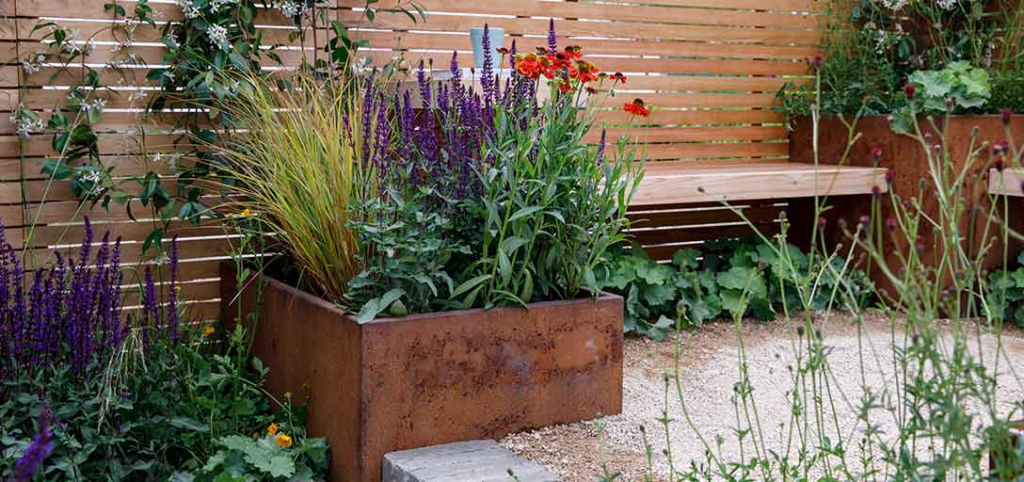
A low-maintenance garden allows you to enjoy the beauty of nature without constant work. With thoughtful planning, smart plant selection, and a few simple gardening strategies, you can create an outdoor space that remains attractive throughout the year while requiring minimal upkeep.
Whether you are a busy professional, a beginner gardener, or simply someone who wants to spend less time on maintenance, a low-maintenance garden can be the perfect solution.
What Is a Low-Maintenance Garden?
A low-maintenance garden is designed to reduce the amount of work required to keep plants healthy and attractive.
This does not mean the garden takes care of itself entirely. Every garden needs some attention. However, the goal is to minimize routine tasks such as watering, fertilizing, mowing, and weed control.
The key is to choose plants and landscaping features that naturally thrive in your local environment and require less intervention from you.
A well-designed low-maintenance garden can save time, reduce costs, and still provide year-round beauty.
Start with a Smart Garden Plan
One of the biggest mistakes homeowners make is planting without a clear plan.
A thoughtful garden design can significantly reduce future maintenance requirements.
Before purchasing plants, evaluate your outdoor space carefully. Consider factors such as sunlight exposure, soil conditions, drainage, and available space.
Placing plants in locations where they naturally thrive reduces the need for extra watering, fertilizing, and pest control.
Good planning at the beginning often prevents problems later.
Choose Native Plants
Native plants are among the best choices for a low-maintenance garden.
These plants have adapted to local climate conditions over many years, making them naturally resilient and easier to care for.
Because native species are already suited to the environment, they often require less water, fewer fertilizers, and less protection from pests and diseases.
In addition to reducing maintenance, native plants can support local wildlife, including birds, butterflies, and beneficial pollinators.
A garden filled with native plants is often healthier and more sustainable.
Reduce Lawn Areas
Traditional lawns can be surprisingly time-consuming.
They require regular mowing, watering, fertilizing, and weed management throughout the growing season.
Reducing the size of your lawn can dramatically decrease maintenance needs.
Many homeowners replace portions of grass with flower beds, decorative gravel, ground covers, ornamental grasses, or garden pathways.
These alternatives often require far less attention while adding visual interest and character to the landscape.
Use Mulch Generously
Mulch is one of the most valuable tools for creating a low-maintenance garden.
A layer of organic mulch around plants helps conserve moisture, suppress weed growth, and regulate soil temperature.
As mulch gradually breaks down, it also improves soil quality by adding organic matter.
Because mulch reduces evaporation, plants often need less frequent watering during hot weather.
The result is a healthier garden with fewer maintenance demands.
Select Perennial Plants
Perennials are plants that return year after year without needing to be replanted.
Unlike annual flowers that complete their life cycle in a single season, perennials provide long-term beauty with much less effort.
Many popular perennials produce colorful blooms, attractive foliage, and reliable performance for years.
Once established, these plants generally require less maintenance than seasonal flowers.
A well-balanced mix of perennials can keep your garden attractive across multiple seasons.
Group Plants by Water Needs
Efficient watering becomes much easier when plants with similar moisture requirements are placed together.
This strategy helps prevent both overwatering and underwatering.
Plants that prefer dry conditions should be grouped separately from those that require consistently moist soil.
By organizing your garden this way, you can provide appropriate care while reducing water waste and maintenance efforts.
This simple planning technique can improve plant health and simplify garden management.
Install Efficient Irrigation Systems
Watering by hand can be time-consuming, especially during hot summer months.
An efficient irrigation system can save both time and water.
Drip irrigation is particularly effective because it delivers moisture directly to plant roots where it is needed most.
Automated systems can further reduce maintenance by ensuring plants receive consistent watering even when you are busy or away from home.
Reliable irrigation supports healthier plants while minimizing daily garden chores.
Focus on Year-Round Interest
A beautiful garden should provide visual appeal throughout the year rather than only during one season.
Including a variety of plants with different bloom times, foliage colors, textures, and seasonal features creates continuous interest.
Evergreen shrubs provide structure during winter, while flowering plants add color during spring and summer.
Ornamental grasses, decorative bark, and attractive foliage can contribute beauty even when flowers are not blooming.
A diverse garden remains appealing regardless of the season.
Keep Garden Maintenance Simple
The most successful low-maintenance gardens are designed around simplicity.
Avoid overcrowding plants, as dense growth can increase disease problems and make maintenance more difficult.
Choose durable plants that are known for reliability rather than varieties that require constant attention.
Simple garden layouts are often easier to maintain and more visually pleasing than overly complex designs.
The goal is to create a space that you enjoy rather than one that feels like a constant obligation.
Environmental Benefits of Low-Maintenance Gardens
Low-maintenance gardens are not only convenient but also environmentally friendly.
By reducing water consumption, fertilizer use, and lawn maintenance, these gardens often have a smaller environmental footprint.
Native plants and pollinator-friendly species can support local ecosystems while requiring fewer resources.
Sustainable gardening practices help conserve natural resources and promote healthier outdoor environments.
For many homeowners, this environmental benefit is an added advantage.
Conclusion
A beautiful garden does not have to require endless hours of work. By planning carefully, selecting appropriate plants, reducing lawn space, and using smart gardening techniques, you can create an attractive outdoor space that thrives with minimal effort.
Low-maintenance gardening allows you to spend less time working and more time enjoying your landscape.
Whether you are starting a new garden or improving an existing one, small changes can make a significant difference in reducing maintenance while preserving beauty throughout the year.
With the right approach, your garden can become a relaxing retreat that remains attractive season after season without demanding constant attention.